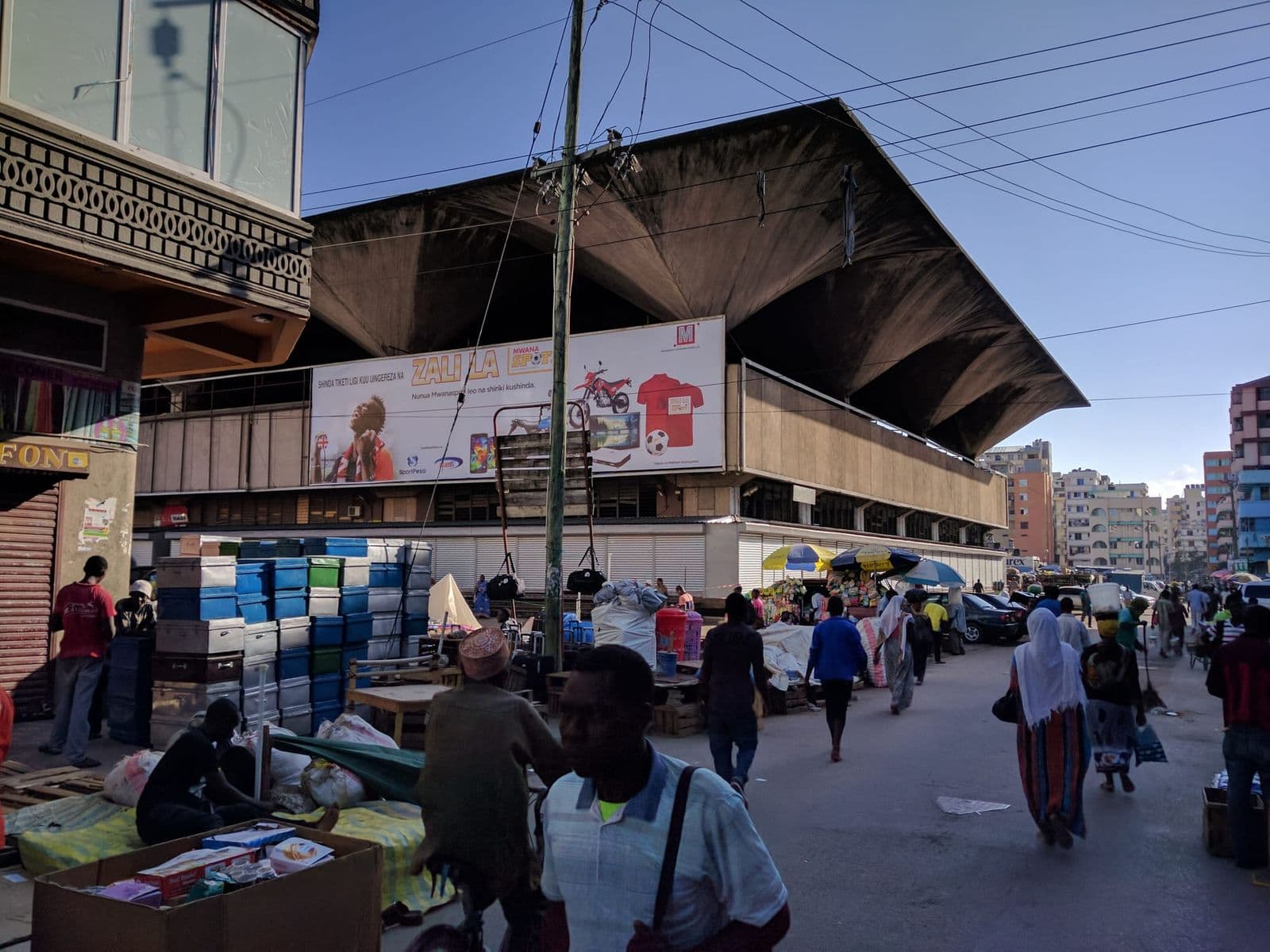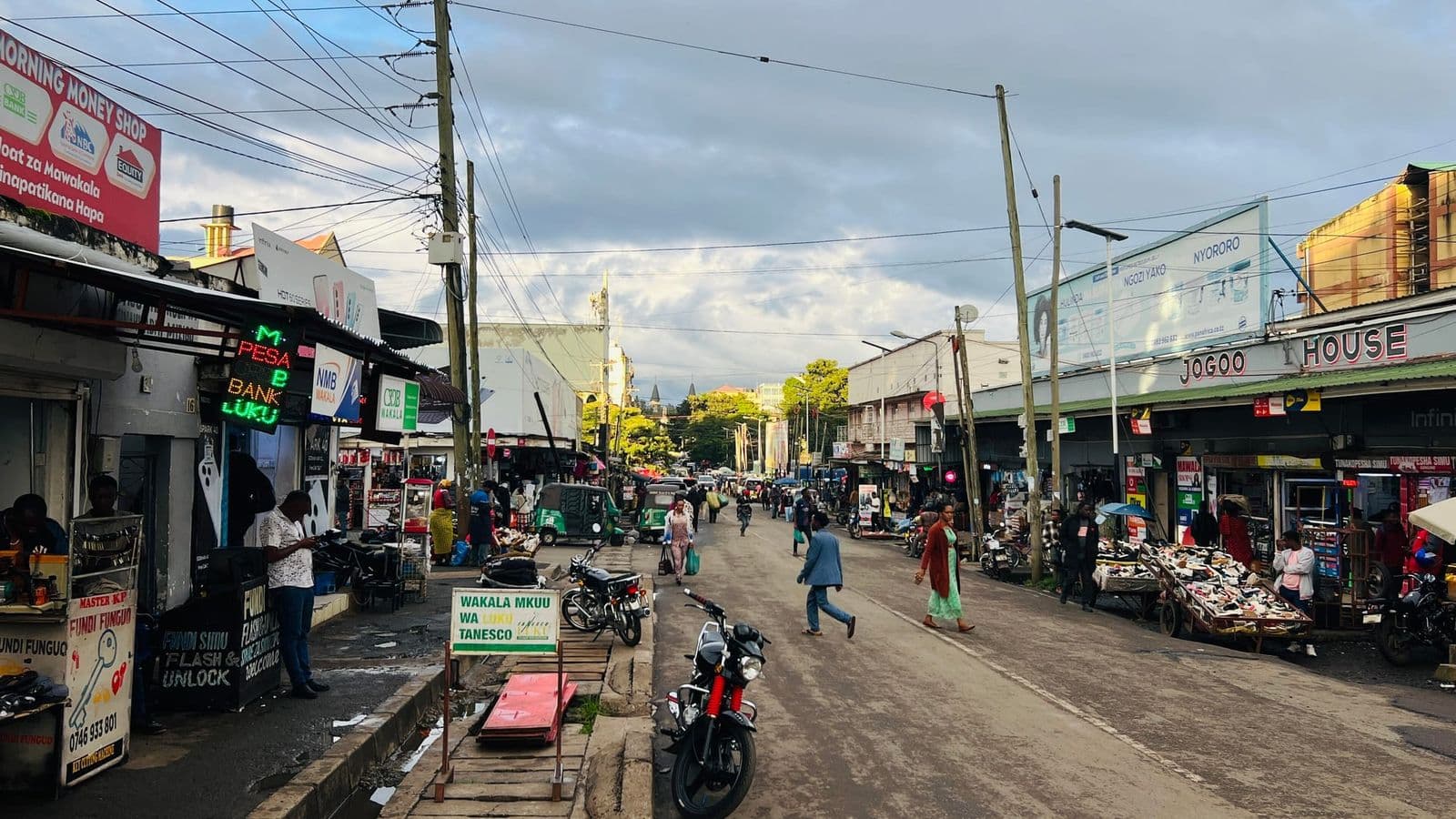
Banking services delivered through local agents, far from the nearest branch.
For many people outside the major towns, the nearest bank branch is a long and costly journey away. A day spent travelling to deposit money or collect a payment is a day of lost work. Agency banking changes that arithmetic by bringing basic banking to a shop, a pharmacy or a fuel station in the community.
How it works
A bank appoints local businesses as agents and gives them a secure device, usually a point-of-sale terminal or an app, connected to the bank's systems. Customers visit the agent to deposit cash, withdraw money, check a balance, pay a bill or, in some cases, open an account.
Each transaction is processed in real time. The customer's account is updated at once and both the customer and the agent receive confirmation. The agent's own float, the cash and electronic balance they hold, moves in the opposite direction. The agent earns a commission for each transaction, which becomes extra income for the business.
What changes for customers
Time and cost. A short walk replaces a long journey. That makes it practical to deposit small amounts more often, which is how savings grow.
Safety. Money held in an account is safer than cash kept at home or carried on a long trip.
A record. Regular transactions create a history that can later support access to loans and other services.
Familiarity. Customers deal with someone they already know, in their own language and in a place they already visit.
What it takes to do well
Agency banking only works if customers trust it, and that trust has to be earned in the details.
The technology must be reliable where connectivity is weak, and it must handle the case where a transaction is interrupted halfway without leaving a customer out of pocket. Agents need training, clear rules and help to manage their float, because an agent who has run out of cash is an agent who turns customers away. Every transaction needs a receipt. And the bank needs monitoring that spots unusual patterns early, to protect both customers and agents from fraud.
Shared networks go further
When agents can serve customers of several banks through a shared platform, each agent becomes more useful and each bank reaches further than it could alone. That is the same principle that lets Tanzanian bank customers use shared ATMs across the country, applied to the shop on the corner.
UBX provides agency banking services to Tanzanian banks, from the agent devices to the switching and settlement behind them. Read how one rollout grew from a pilot to national scale in our case studies, or write to info@ubx.co.tz.